
Community
Florida governor candidates make final campaign push across Tampa Bay ahead of Election Day
By Katherine Langford
Advertisement · Why this ad?
Katherine oversees editorial operations across all six brands. Before joining The Meridan Group, she spent 14 years at the Minneapolis Star Tribune, where she led the metro desk through its digital transformation. She holds a Master's in Journalism from Northwestern's Medill School.
More from Katherine →
As the sun dipped low on the horizon, casting a warm glow over Dunedin, David Jolly stood before a crowd of supporters, his voice steady and resolute. The air was thick with anticipation, a palpable energy that signaled the final hours of a campaign that had engaged the community in discussions about their future. With Election Day looming, Jolly made three critical stops in his bid for a seat in Congress, rallying constituents to take an active role in shaping their government.
On the final day of campaigning, David Jolly, a former U.S. Congressman, and his opponent, Gwen Graham, made their way through Dunedin and the surrounding areas, engaging with voters in a last-ditch effort to encourage turnout. Their campaign focused on the importance of civic engagement, urging residents to not only vote but to inspire others to do the same. Jolly emphasized the significance of each vote, particularly in a district that has historically leaned Republican.
The campaign trail led them through key neighborhoods, where Jolly took time to listen to the concerns of residents. “It’s about the people,” he stated during one of his stops. “We need to ensure that our voices are heard in Washington, and that starts with getting out to vote.” His message resonated with many who feel that their opinions have often been overlooked in the political arena.
Jolly’s approach to campaigning reflects a broader trend in American politics, where candidates are increasingly focusing on grassroots engagement. His stops were not just about rallying support; they were opportunities for dialogue, where constituents could express their hopes and concerns. This personal touch is crucial in a time when many voters feel disconnected from their representatives.
Residents of Dunedin, such as local business owner Mary Thompson, expressed appreciation for Jolly’s efforts to connect with the community. “It’s refreshing to see a candidate who actually wants to listen,” she noted. “We need someone who understands our needs and isn’t just here to deliver a speech.” Jolly’s ability to foster these conversations has made him a familiar face in the community, further solidifying his reputation as a candidate who prioritizes the voices of his constituents.
Throughout his campaign, Jolly has demonstrated a commitment to building relationships with various community stakeholders. From attending local events like the Dunedin Music Festival to participating in town hall meetings, he has sought to establish a presence that goes beyond mere campaigning. His willingness to engage with local leaders, including mayors and school board members, has fostered a sense of trust among voters who yearn for a representative that is invested in their community.
This relationship-building extends to local organizations as well. Jolly has collaborated with groups like the Dunedin Chamber of Commerce to promote economic initiatives and support small businesses. His efforts to advocate for local entrepreneurs resonate deeply with residents who recognize the vital role that these businesses play in the community's economic health.
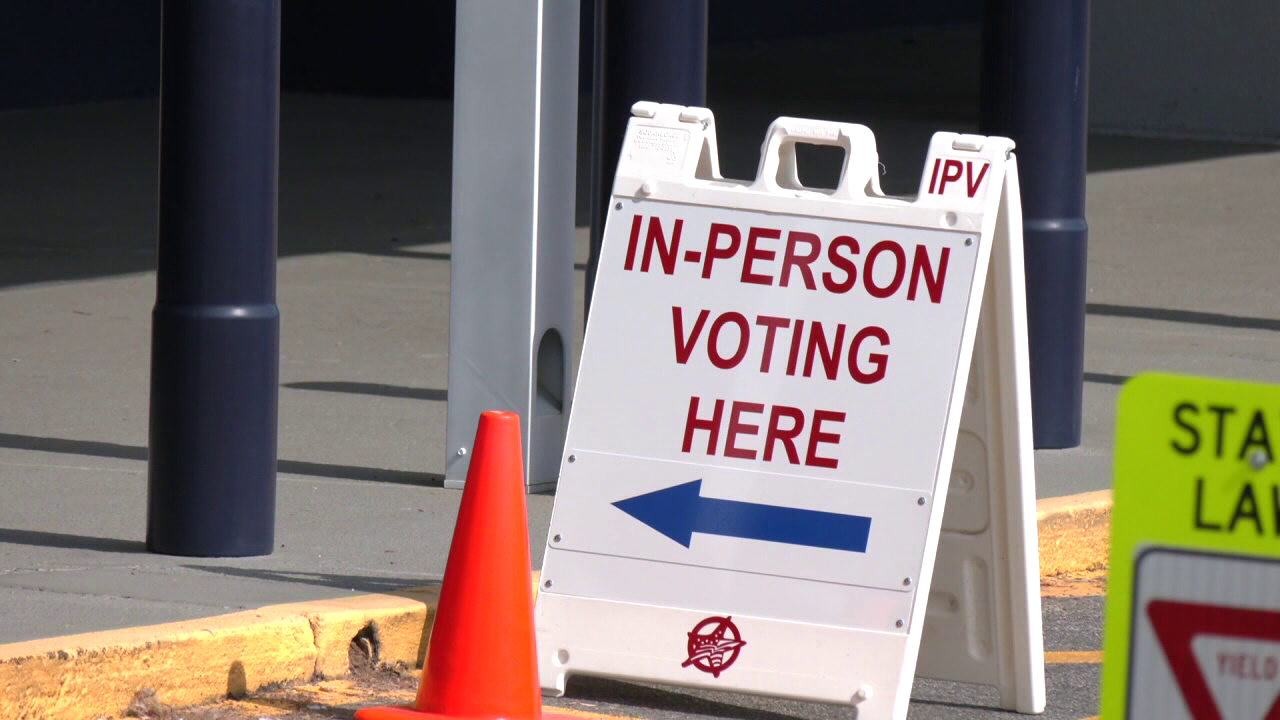
The stakes in this election are high, with both candidates recognizing that voter turnout could determine the outcome. Jolly’s campaign has focused on mobilizing voters, particularly in areas that have historically seen lower participation rates. “Every vote counts, especially in a district like ours,” he reminded supporters during his final stops. “We can’t afford to sit on the sidelines.”
Polling data indicates that voter engagement in Dunedin has been increasing, a trend that both candidates hope will continue through Election Day. Local organizations, such as the Dunedin Chamber of Commerce, have also played a role in encouraging residents to make their voices heard. Their efforts to promote civic participation underscore the community’s commitment to democracy.
As Jolly made his rounds, the response from the community was largely positive, with many residents expressing their support for his candidacy. “He understands our community,” said lifelong Dunedin resident John Miller. “We need someone who will fight for us in Congress.” This sentiment was echoed by others who attended his events, highlighting a shared belief that Jolly could bring about meaningful change.
Conversely, some voters remain undecided, caught between Jolly and Graham. The competition has sparked discussions among friends and family, with many taking the time to weigh the candidates' platforms carefully. “It’s a tough choice,” noted local teacher Sarah Collins. “Both candidates have their strengths, but I’m looking for someone who truly represents our values.”
Another critical aspect of Jolly’s campaign has been his outreach to younger voters, a demographic that often feels alienated from the political process. By hosting events at local colleges and engaging with student organizations, Jolly has sought to inspire a new generation to participate in democracy. “We need to make sure that the voices of our youth are heard,” he emphasized. “They are the future of our community.”
This outreach has not gone unnoticed. Local college student Emily Rodriguez shared her enthusiasm about Jolly’s efforts. “It feels good to know that someone is actually interested in what we think,” she said. “I think it’s important for us to engage in the political process, and it’s nice to see a candidate who is willing to meet us where we are.”
As Election Night approaches, Jolly and Graham will closely monitor the results from Tampa, where the final tallies will determine the victor. For Jolly, the campaign has been about more than just winning an election; it has been a chance to engage with the community and advocate for the issues that matter most to residents. “Regardless of the outcome, I’m proud of the campaign we’ve run,” he stated, reflecting on the journey.
The election results will not only impact the candidates but will also shape the future of Dunedin and its residents. Voters are encouraged to stay informed about the issues at stake and to participate actively in the democratic process. As Jolly aptly noted, “This is your government; make sure you have a say in it.”
In the days following the election, the community will undoubtedly reflect on the outcome and the implications for their future. As families gather to discuss the results, the conversations will center around hope, change, and the importance of staying engaged in local politics. Community leaders are already planning post-election forums to discuss the results and what they mean for Dunedin moving forward. These discussions will provide a platform for residents to voice their opinions and concerns, ensuring that the dialogue continues regardless of the election outcome.
By Katherine Langford
By Marcus Chen
By Katherine Langford
By Marcus Chen