
Community
Robert Timmons makes first court appearance in murder of 16-year-old Victoria Perez
By Katherine Langford
Advertisement · Why this ad?
Marcus manages the day-to-day editorial workflow across all brands, coordinating coverage assignments and ensuring editorial standards are met. He previously served as city editor at the Pioneer Press and holds a degree in Political Science from Carleton College.
More from Marcus →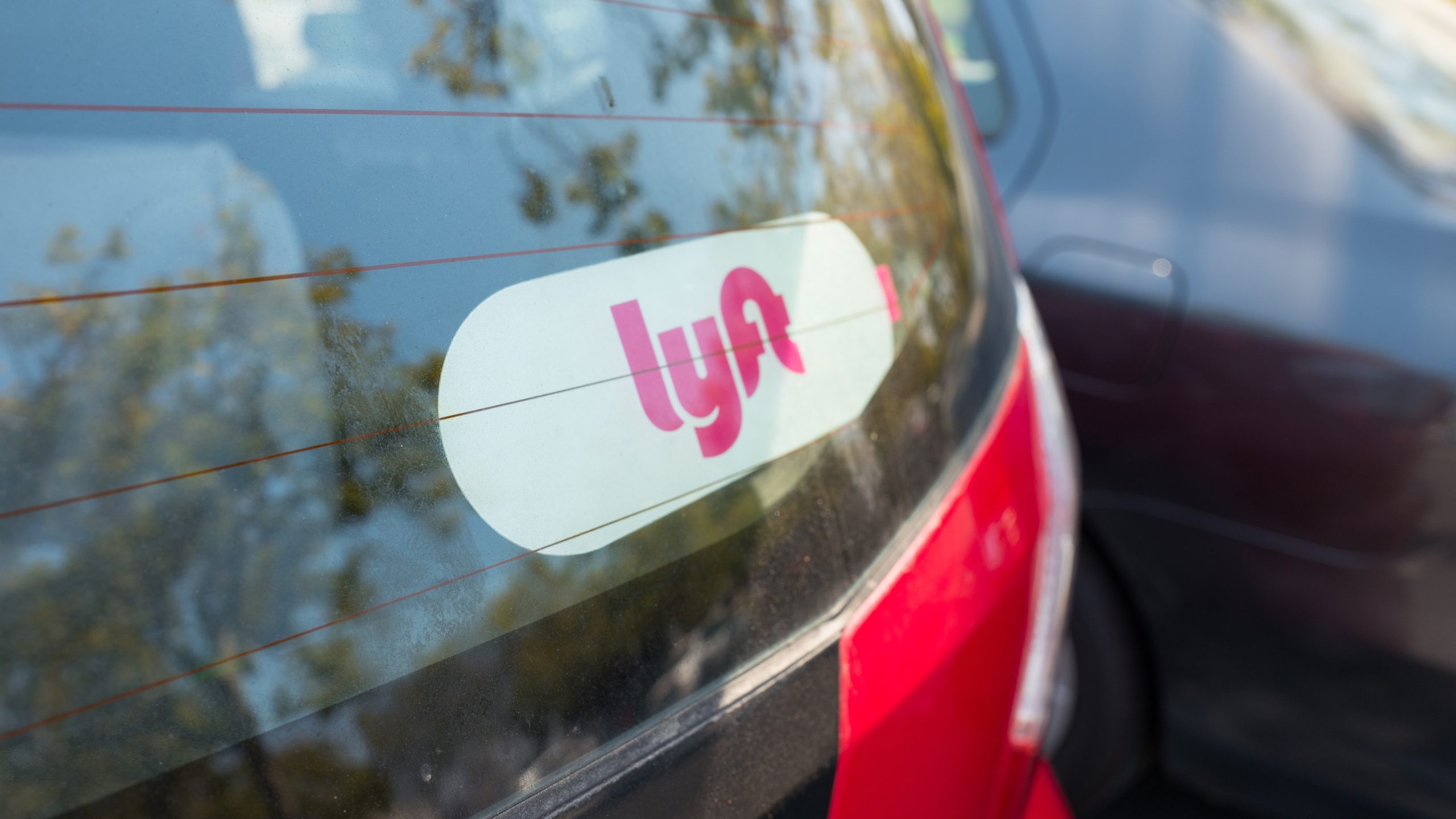
The U.S. Department of Justice (DOJ) has filed a lawsuit against ride-hailing giant Lyft, alleging that the company has denied rides to passengers with disabilities, including those with service animals and wheelchairs, in violation of the Americans with Disabilities Act (ADA). The lawsuit seeks $53 million in damages and aims to force Lyft to stop discriminating against individuals with disabilities and to modify its policies to comply with the ADA.
The DOJ's lawsuit claims that Lyft drivers have routinely refused rides to passengers with disabilities, improperly charged cancellation fees after denying rides, and failed to make reasonable policy changes to ensure equal access to transportation. According to the lawsuit, Lyft has policies requiring drivers to accommodate passengers with service animals and foldable mobility devices, but these policies have not been enforced effectively.
The Americans with Disabilities Act, passed in 1990, is a landmark piece of legislation designed to prohibit discrimination based on disability. Title III of the ADA specifically addresses public accommodations, which include transportation services like ride-hailing companies. This means Lyft, as a business offering transportation to the public, is legally obligated to provide equal access to its services for individuals with disabilities. The DOJ’s lawsuit underscores the importance of this obligation and its commitment to enforcing the ADA's protections.
The lawsuit, filed Monday in the U.S. District Court for the Northern District of California, is based on complaints from individuals with disabilities who experienced discrimination and submitted their complaints to Lyft or the Justice Department. The DOJ argues that these incidents represent a pattern of discrimination against people with disabilities, which violates the ADA. The fact that this lawsuit follows a similar action against Uber highlights a broader concern within the ride-sharing industry regarding accessibility and equitable service.
Acting Assistant Attorney General Jesus A. Osete of the Justice Department’s Civil Rights Division stated, 'Individuals with disabilities should be able to rely on rideshare services free of discrimination. We intend to uphold the ADA’s promise that people with disabilities are entitled to equal access in every part of public life, including essential transportation services.'
While the lawsuit was filed in California, its implications resonate within communities like Dunedin. Many residents rely on ride-sharing services for transportation, particularly those who may not have access to personal vehicles or public transportation options. For individuals with disabilities, the ability to summon a ride-sharing vehicle independently is often crucial for accessing employment, healthcare, social activities, and other essential aspects of daily life. The alleged discriminatory practices by Lyft directly undermine this independence and create significant barriers to participation in community life.
The lawsuit specifically highlights the discrimination faced by passengers with service animals and those using foldable mobility devices. Service animals are legally protected under the ADA and must be allowed to accompany their handlers in public places, including ride-sharing vehicles. Foldable mobility devices, such as wheelchairs and scooters, are also recognized as essential aids for individuals with disabilities and should be accommodated by transportation providers. Lyft’s alleged failure to consistently accommodate these needs represents a direct violation of the ADA and a denial of equal access to transportation.
The lawsuit also points to the improper charging of cancellation fees to passengers who were unlawfully denied service. This practice exacerbates the harm caused by discrimination, as it not only denies individuals access to transportation but also imposes financial penalties for doing so. The DOJ’s demand for Lyft to cease this practice is a critical step in ensuring that passengers with disabilities are not penalized for experiencing discrimination.
Lyft has responded by denying the allegations, stating, 'We disagree with the Department of Justice's allegations. Every rider deserves access to rides, period. We have long-standing policies that require drivers to accommodate riders who travel with service animals or use foldable mobility devices for years, and drivers who violate these policies face serious consequences, including losing access to Lyft permanently.'
Lyft also highlighted its efforts to ensure compliance with the ADA, noting that they have built a commitment into their app to remind drivers of their obligations and that they have worked with the DOJ throughout its review. However, the DOJ's lawsuit suggests that these efforts have been insufficient to prevent discriminatory practices from occurring.
The lawsuit has sparked reactions from community members and disability advocates. Many have expressed concern about the impact of discriminatory practices on the lives of individuals with disabilities and their families. Local disability rights groups have rallied to support the lawsuit, emphasizing the importance of equal access to transportation services.
The lawsuit is seeking a court order to force Lyft to stop discriminating against individuals with disabilities, to modify its policies to comply with the ADA, and to train its staff and drivers on the ADA. In addition to the monetary damages to compensate aggrieved individuals subjected to Lyft’s discrimination, the lawsuit demands that Lyft pay a civil penalty to vindicate the public’s interest in eliminating disability discrimination.
U.S. Attorney Craig H. Missakian for the Northern District of California stated, 'Our purpose in the Department of Justice is often to fight for what’s right on behalf of those who can’t fight for themselves. And there are few areas where the fight is more important than in ensuring equal access to transportation services for all Americans.'
Lyft's commitment to addressing these issues will be closely watched by advocates and the community. The outcome of this lawsuit could set a significant precedent for the future of disability rights in the transportation industry. The lawsuit will proceed through the court system, with potential for discovery, motion practice, and ultimately, a trial or settlement.
While the legal process unfolds, residents of Dunedin can take several steps to support disability rights and promote accessibility in transportation. This includes contacting local elected officials to advocate for policies that support individuals with disabilities, volunteering with organizations that provide transportation services, and educating themselves and others about the ADA and disability rights.
The information for this story was provided by a lawsuit by the Department of Justice and a statement from Lyft.
By Katherine Langford

By Katherine Langford

By Marcus Chen

By Katherine Langford